Photographs of Feng Xinggang
About This Project
Feng Xinggang is a real person, but assumptions about his identity are based solely on the materials he left behind in his dormitory, which also served as his office.
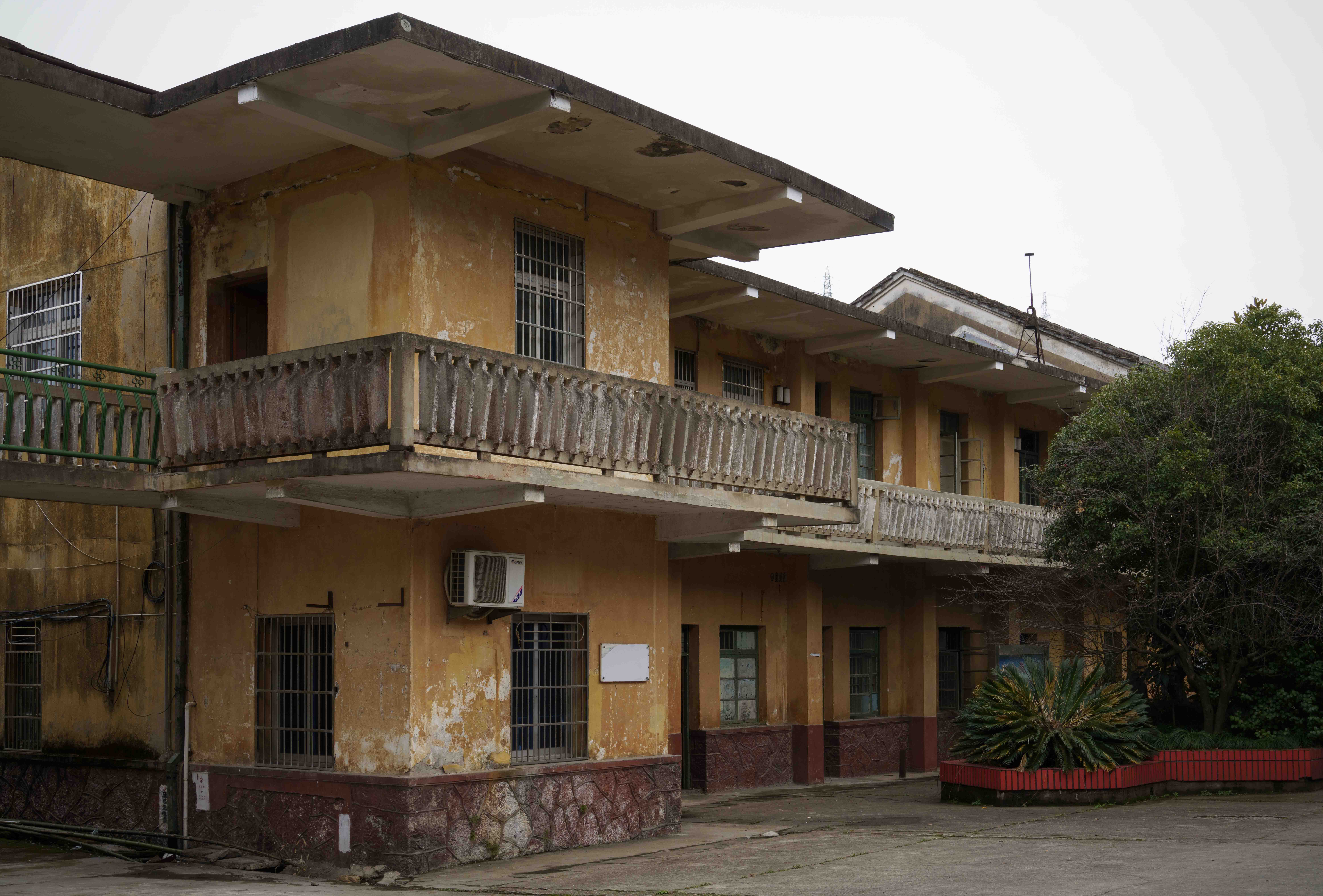
In 2022, while photographing around Hangzhou, I happened to stray into a railway station by chance. This station was originally named Linghou Station, completed in 1974 and opened for service in 1975. After the Spring Festival travel season in 1991, passenger services were reduced to just one train pair per day, and the station was renamed Qiandaohu Station. In May 2009, passenger operations were completely terminated, and since then it has been used only as a freight station. The platforms and buildings once used for passenger traffic have since been entirely abandoned.
The station still preserves strong traces of the planned economy era. Ticket price lists pasted on the walls indicate that this place belongs to a time long past. For example, with a fare of 4.5 yuan from Chun’an to Jinhua, one can infer that the price level corresponds roughly to the period around the year 2000-already an unfamiliar era to me. Deep inside the station, beside the remains of what used to be a travel agency, stood a long-abandoned dormitory for railway workers. It was on the second floor of this building that the belongings of Feng Xinggang-the protagonist of this story were discovered.
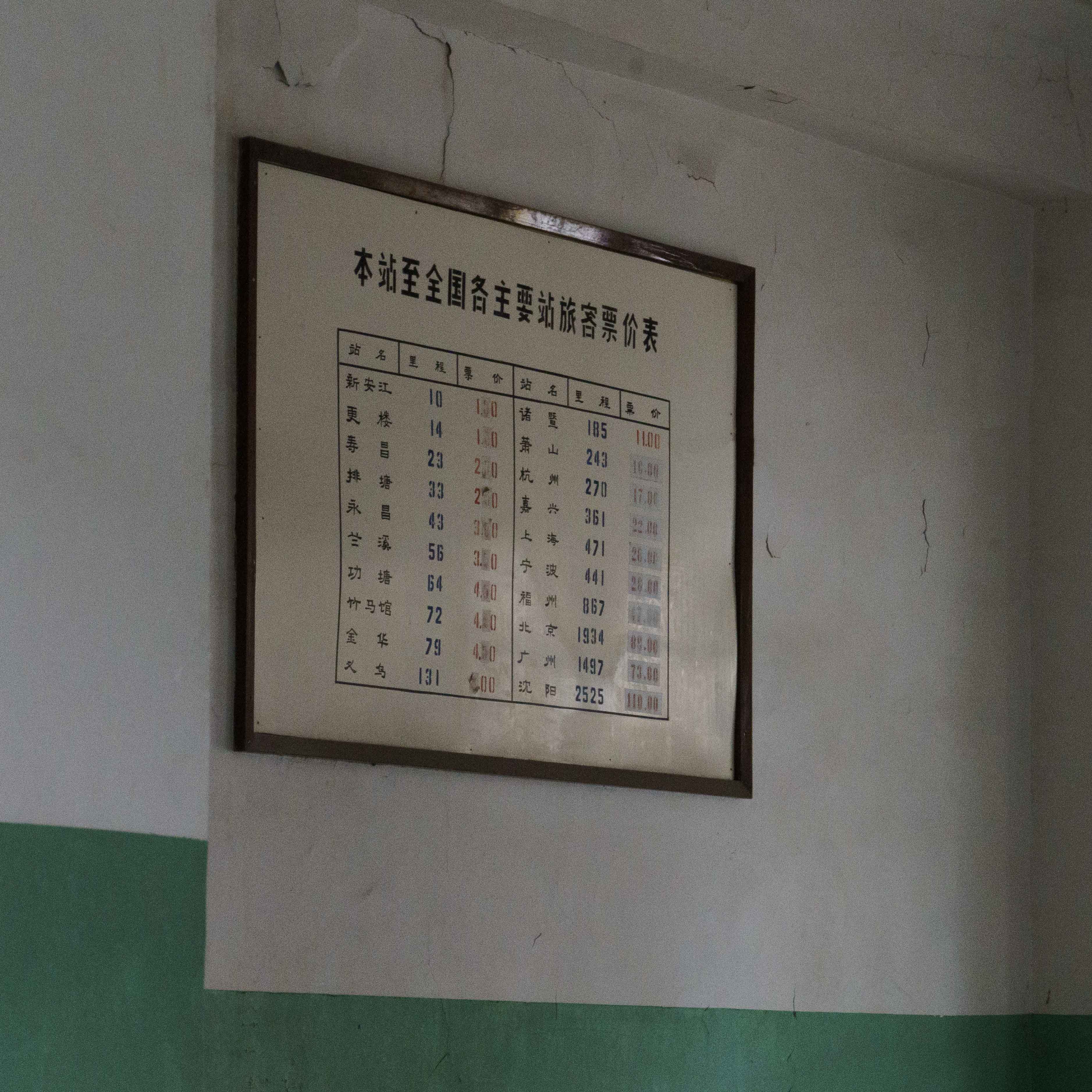
showing 4.5 RMB from Chun’an to Jinhua.
Who is Feng?
I did not know about Feng Xinggang from the very beginning. In a small office overgrown with plants, I found some letters and documents, and it was from the signatures of “Feng Xinggang” on these papers that I began to wonder who he was.
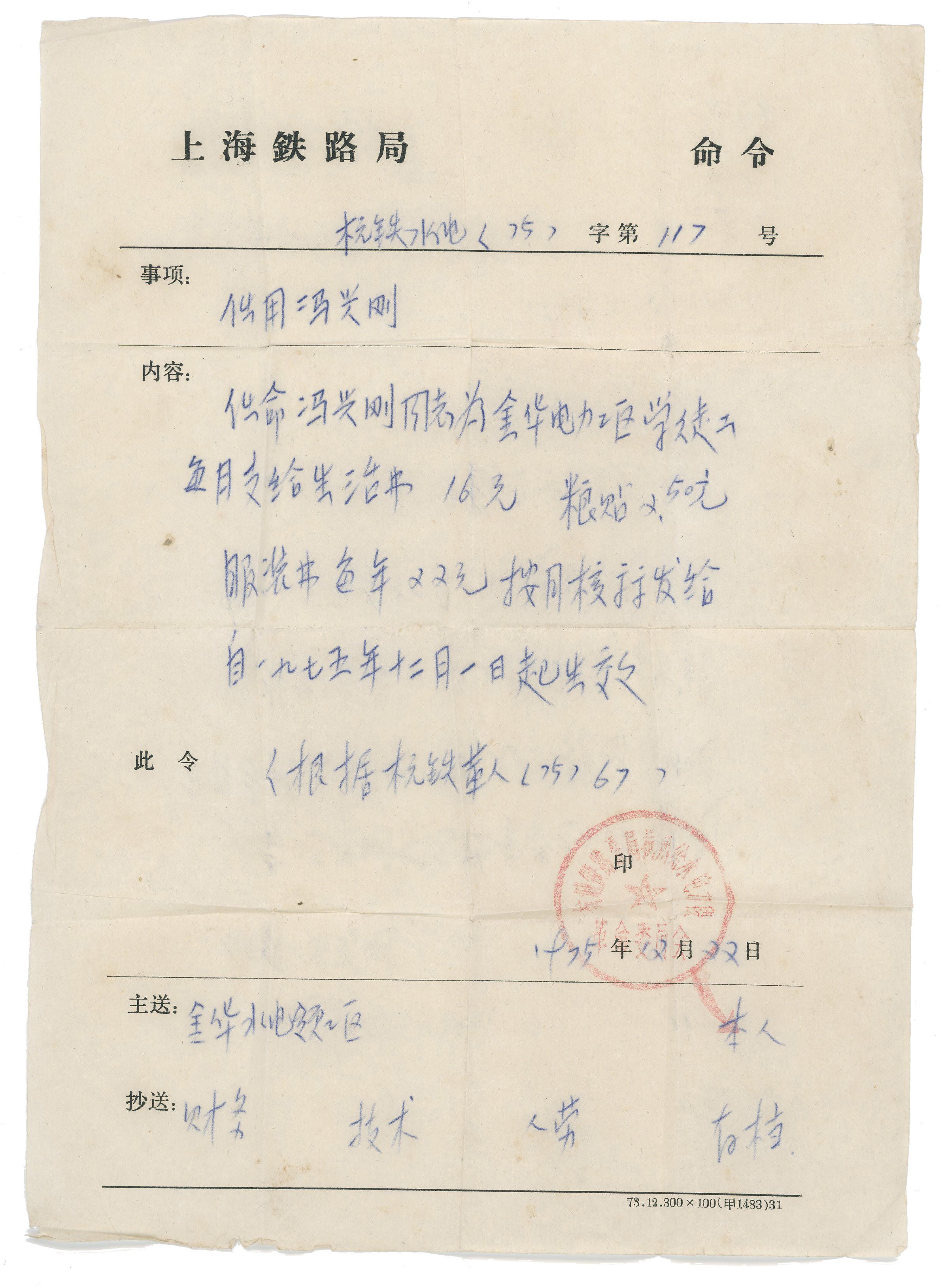
The document that most directly revealed his identity was a small, folded piece of paper. Its contents showed how Feng’s fate first became intertwined with that of the station. In 1975, when the station had just begun operations, he was assigned a position as an apprentice electrical engineer. Below is a partial translation of the document:
Shanghai Railway Bureau Order
Hangzhou Railway Hydropower Bureau, Order No. 117Subject: Appointment of Feng Xinggang
Content: Comrade Feng Xinggang is hereby appointed as an apprentice worker in the Jinhua Electric Power District No. 2. He shall receive a living allowance of 16 yuan, a food subsidy of 50 yuan, and a clothing allowance of 22 yuan per year, to be distributed monthly according to the inspection quota.This order was issued by the Hangzhou Railway Revolutionary Committee on December 22, 1975.
The Life of Feng
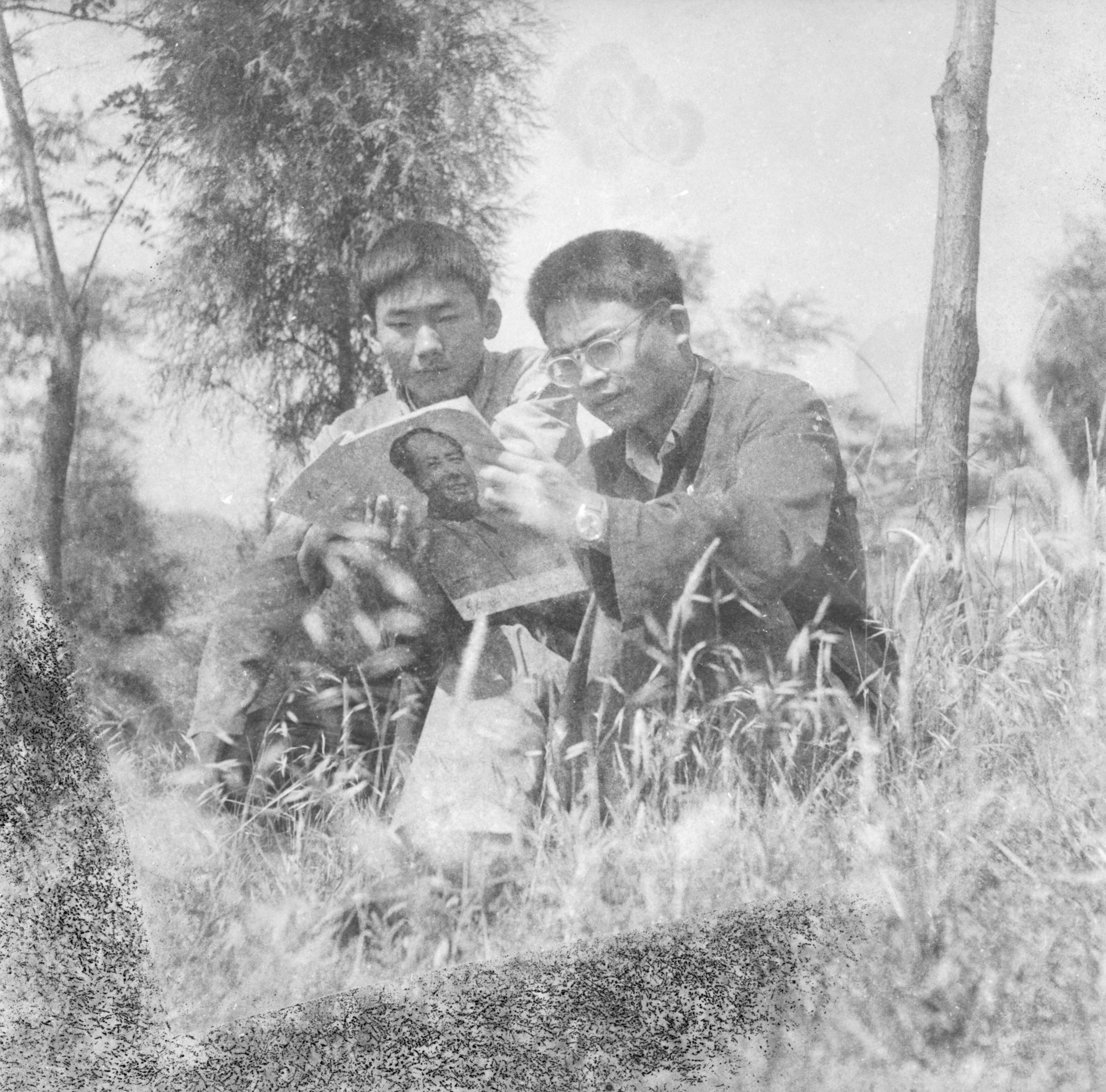
Like many Chinese people who lived through the 1970s and 1980s, Feng was devoted to communism. Inside his letters, there were photos of Mao Zedong-the (former) supreme leader of China and a propagator of communism. His poems not only expressed his personal feelings but also ended with praises for the revolution. Below are excerpts from his writings:
I was never blessed with unusual wisdom,
Nor gifted with talents under perfect control.
This has been the great regret of my life,
Yet I will never let it make me cowardly or discouraged.I cultivate myself in the vast classroom of practice,
Where knowledge surely grows.
If one can cast aside all thoughts of gain and loss,
Why fear the anxieties of honor or disgrace?
Persist! For our era.
Persist! For our people.
May despotism never return,
And may a society that devours people never revive! (this line was crossed out)
The ultimate purpose of communism is the Communist Party.
Our deeds and words should be in accordance with this…
Written on January 17, 1981.

Feng’s Hobbies and a Page from a Magazine
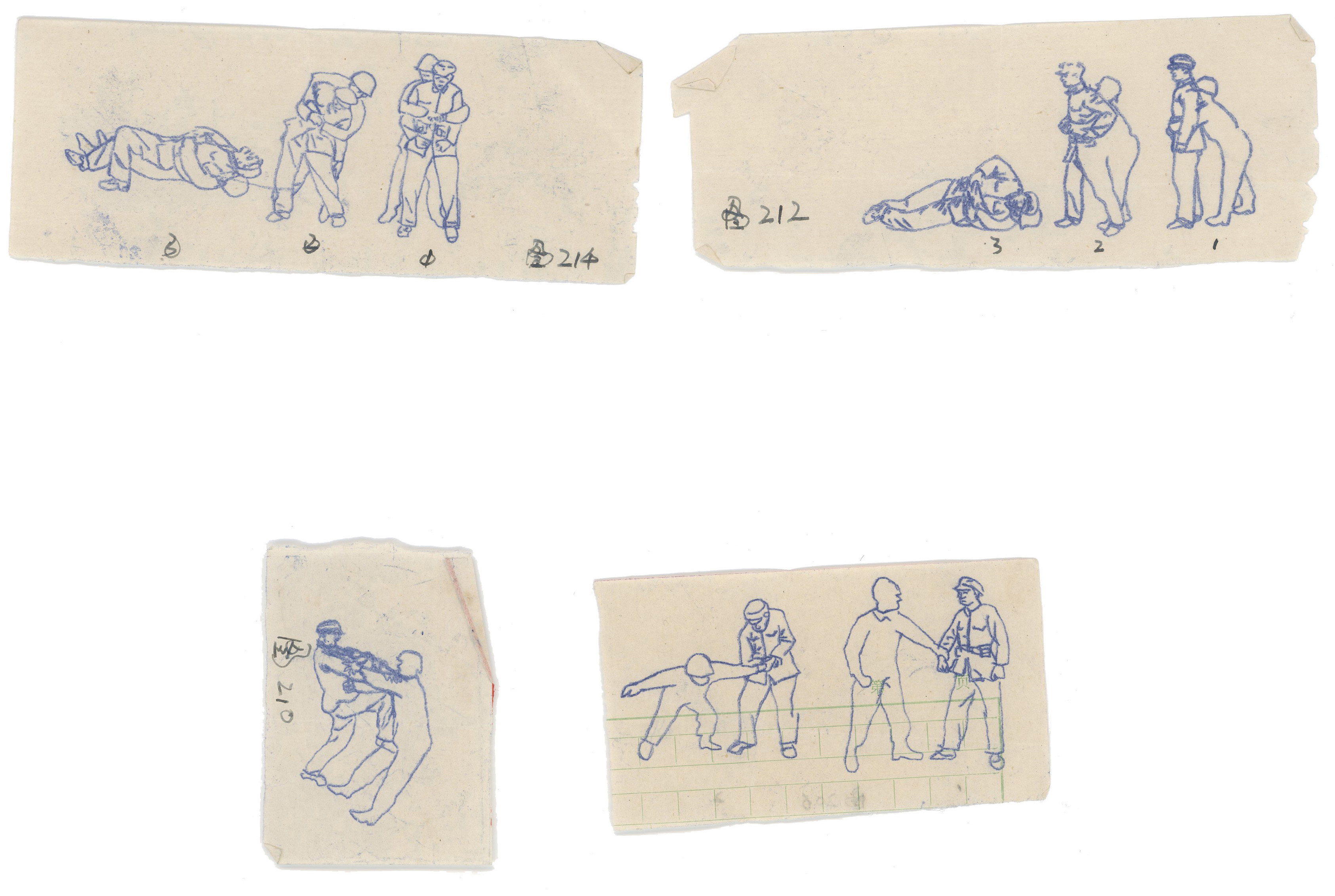
Feng was fond of martial arts. On many small scraps of paper, he drew simple sketches of martial arts moves. Even pages from his work notebook were torn out and used to copy down key points of techniques. These drawings were imitations from a book titled Qigong, and some had been cut into tiny slips of paper, perhaps for him to carry around and look at from time to time.
What is particularly interesting is a page from a magazine that he kept inside his workbook. It was an article reporting on world affairs, describing a French man named Martino. He had built three cryogenic coffins for himself and his late beloved, hoping that with the advancement of medicine in the future, a cure for his wife’s cancer would one day be found. Thus, he had her body frozen, and also planned to freeze himself. The headline of the article read: “The Tomb of Hope-The Doctor Sets the Time of Regeneration at 2030.” For some reason, Feng had always kept this article with him.
In reality, Martino’s son and the French authorities clashed over the issue of keeping bodies privately without cremation. Then in 2006, due to a malfunction of the thermometer in the cryogenic storage unit, the internal temperature rose by 20 degrees over several days, rendering the preservation a failure. In the end, the bodies were cremated.

Photographs of Feng

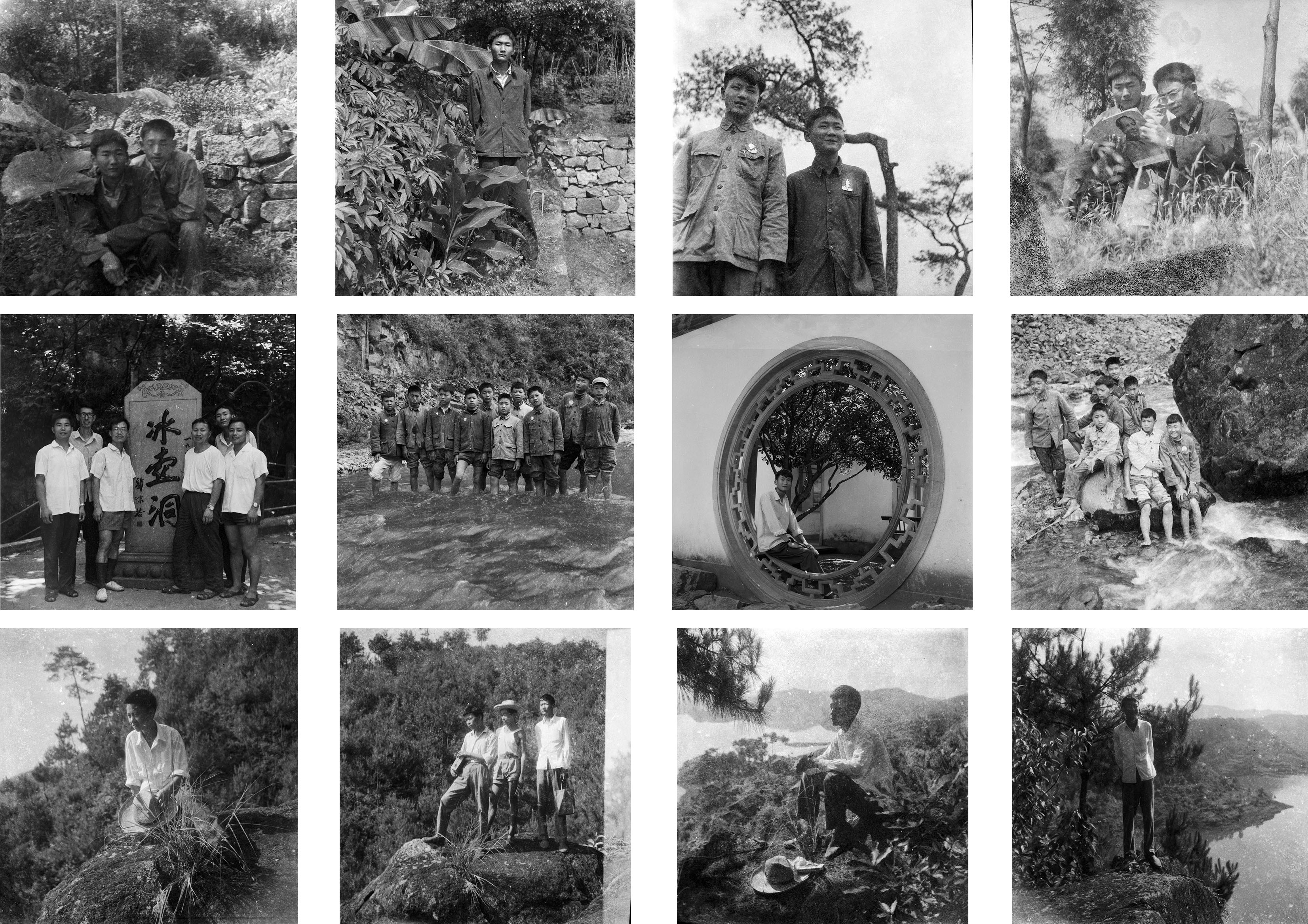
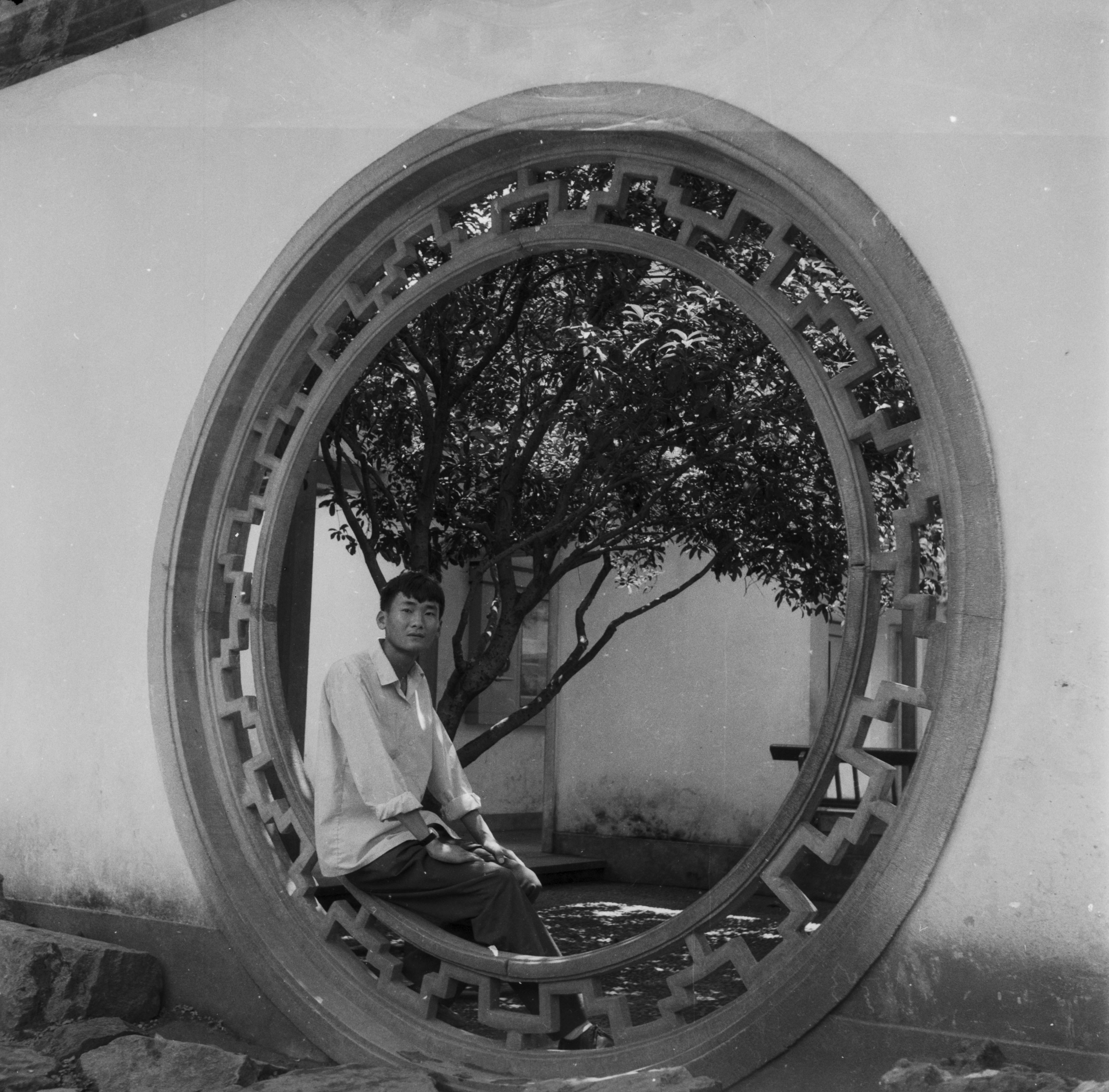
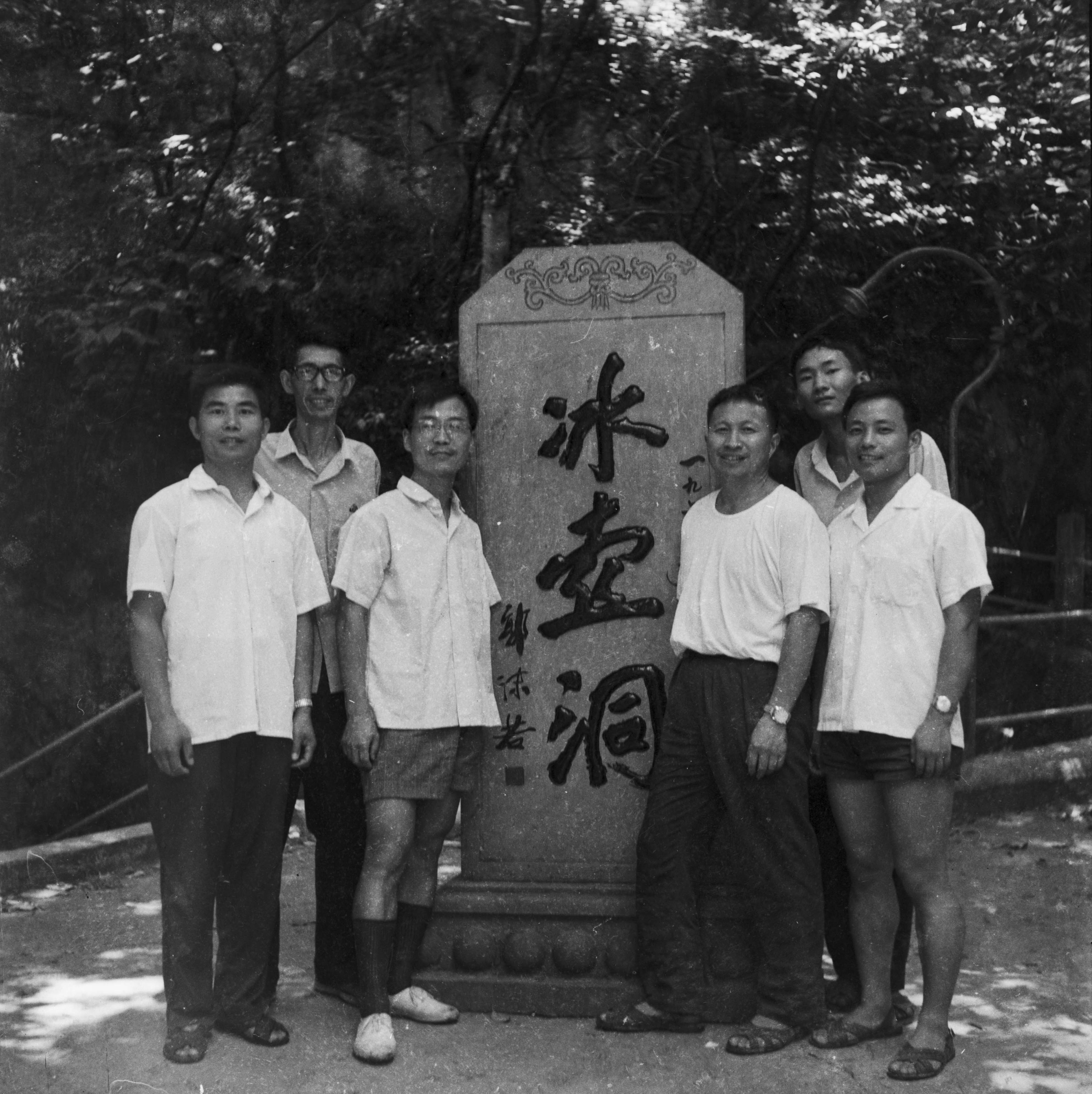
Photographs of FengThe turning point came in 2023. Among the stack of documents and letters belonging to Feng Xinggang, there was a small pouch used to store photographic negatives. On the pouch was written the name “Sixin Photo Studio.” Because of its age, this studio had long since closed down, and no information could even be found online. However, during another photography trip around Qiandao Lake, a friend told me that Sixin Photo Studio had been renamed “Chun’an Photo Studio” around the year 2000. Although Chun’an Photo Studio had also ceased operations, when I searched online I managed to find its address. I decided to travel to Chun’an in hopes of locating the old studio or perhaps meeting someone who still remembered Feng Xinggang.
Unfortunately, Chun’an Photo Studio had already shut down as well, but local people told me that the old site was in the process of being demolished. In the ruins of the demolition site, by chance, I discovered Feng’s photo pouch.
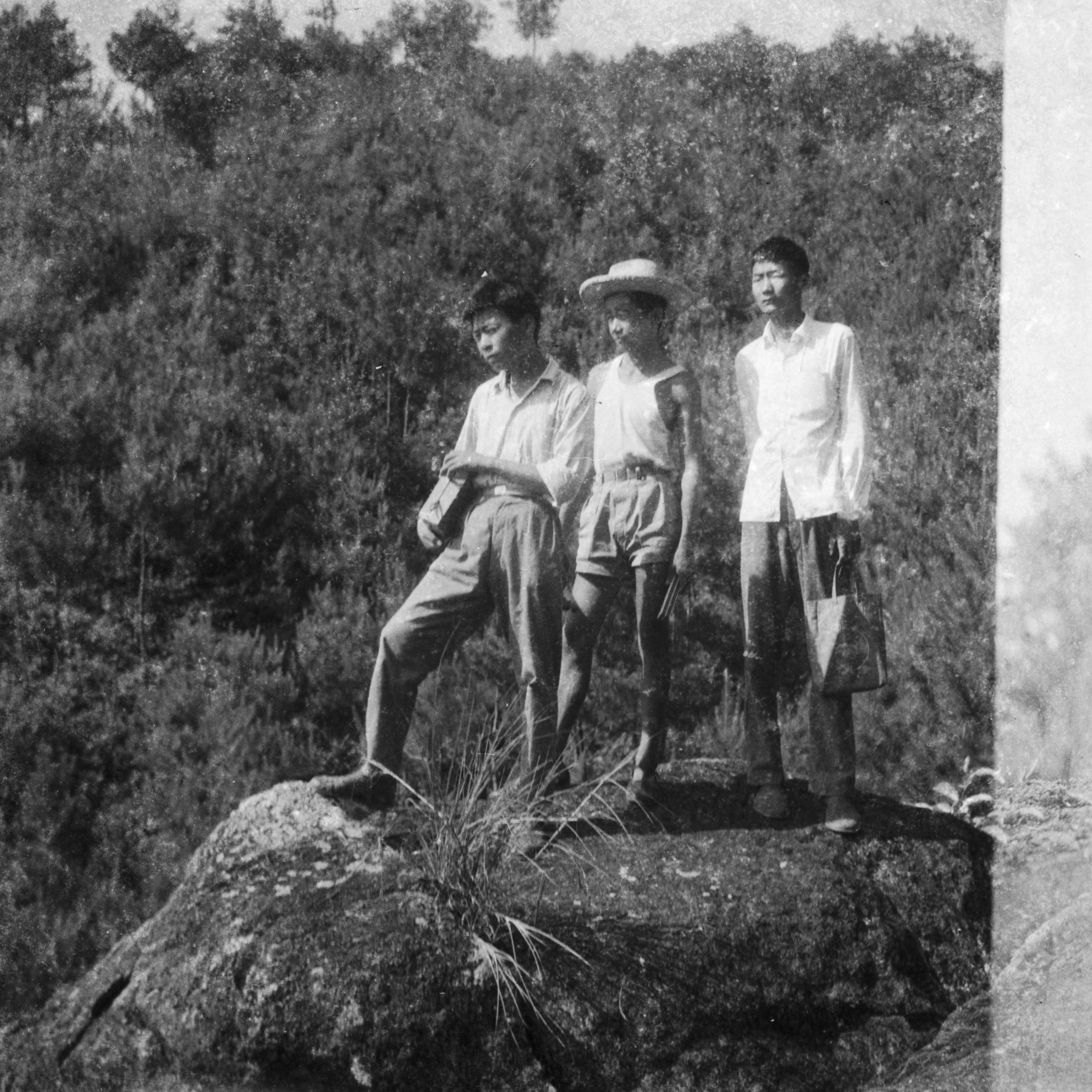
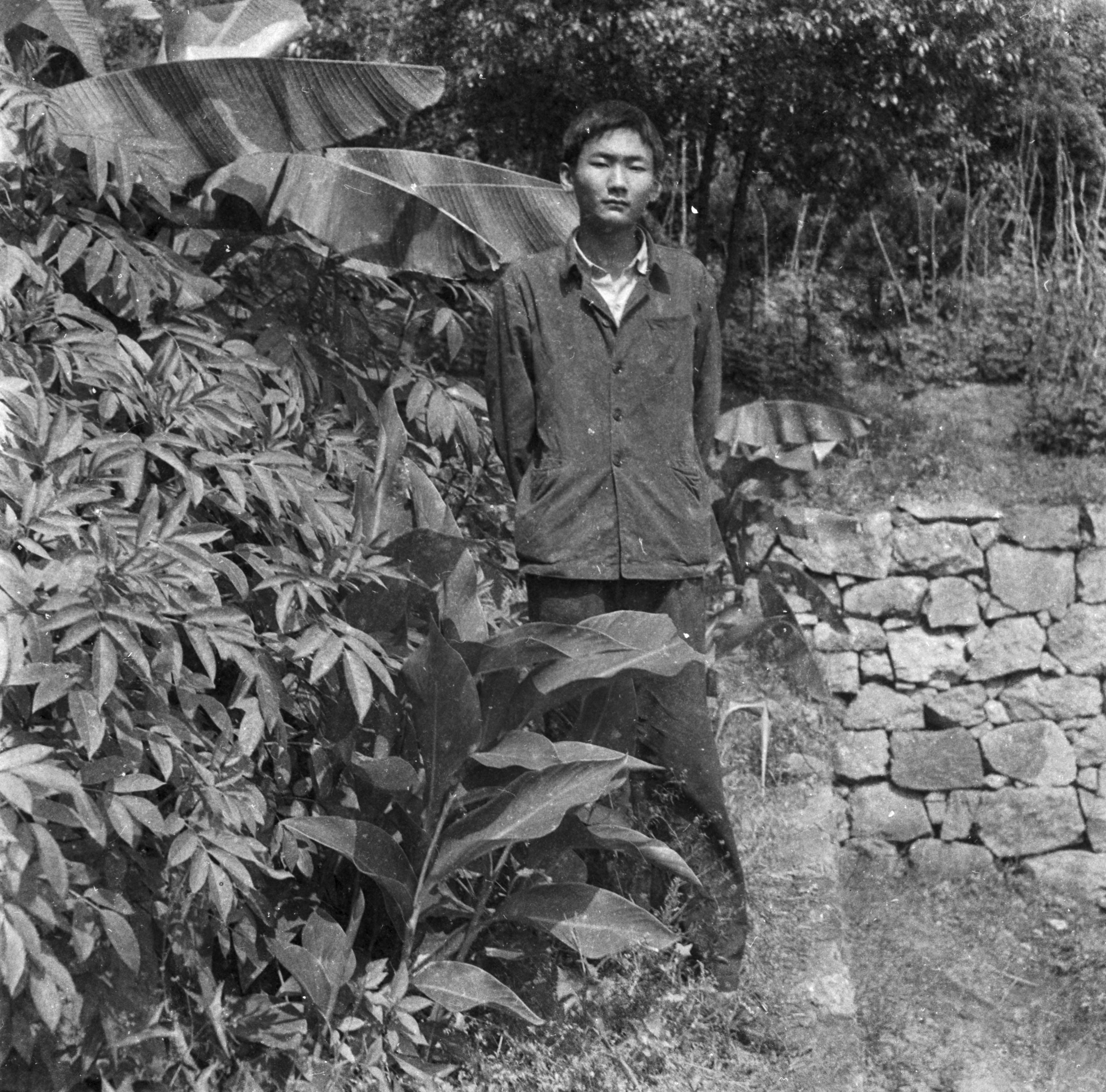
When I brought it home, the negatives were already heavily damaged. Luckily, they had originally been shot on medium format film such as 645 and 6×6. After some restoration work, I was able to scan them. The person in the photographs may very well have been Feng himself. These photos were taken during the 1980s, while many others dated back to 1976, showing Feng on excursions in the mountains of Chun’an with friends, as well as a set of photographs taken in Hangzhou. From these images, it can be inferred that Feng was about 25 to 30 years old at the time.

A Book for Feng
In October 2025, I returned to Chun’an to search for Feng. All the clues eventually led to a place called Dongfeng Hotel. However, the hotel no longer existed. Its original site had been demolished and replaced by a new building.
Perhaps it would be difficult to find him. Based on his estimated age, if he is still alive, he would probably be in his seventies or eighties by now. Perhaps I would not even be able to recognize him.So I decided to stop looking.
Everything I had assumed or written about him came from the objects left behind in a drawer. Did he really write a poem, or had he simply copied it from a magazine? Was he really interested in martial arts, or did those materials belong to a passenger who had left them behind? Did everything in the drawer belong to one person, or had other people’s belongings also ended up there?The drawer became a kind of archive, an ID for someone who could no longer be found.
At the end of 2025, I made this book as a tribute to, and for, the Feng Xinggang I came to know.



Afterword
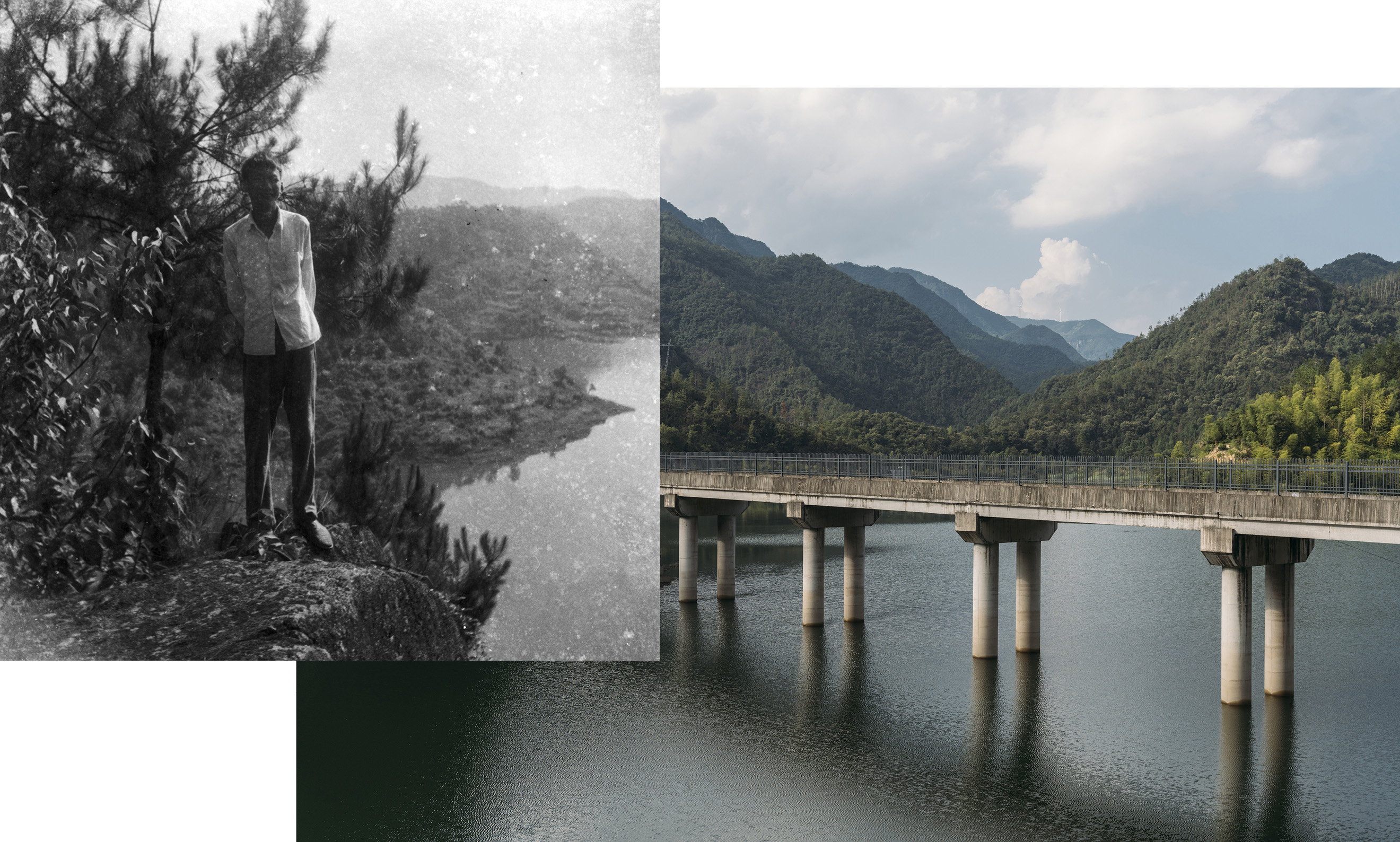
In his diary, Feng wrote that he had taken this series of photographs during a visit to Tashan Village. The shooting location was at the foot of the eastern hills of the village.
In 2024, I brought my camera and went to the places where he had once taken his photographs. Most of his chosen viewpoints were now extremely difficult to locate, and after fifty years, the surroundings of Qiandao Lake no longer resembled what they once were.
Qiandao Lake itself is a man-made reservoir. In the 1960s, the Xin’an River was dammed to construct the Xin’anjiang Hydroelectric Station, creating a massive artificial lake in the mountains. This is how Qiandao Lake came into existence. Beneath its waters lie two county seats, eight towns, thirty-nine townships, and 1,377 natural villages-inhabited continuously since the Ming dynasty by the true people of Chun’an. Today, Chun’an has been renamed Qiandao Lake, and the current urban center of Chun’an is located on what was once a mountaintop. The 300,000 residents who were forcibly displaced were scattered and absorbed into the surrounding towns.
Feng was one of them.
This railway worker, who left his hometown in childhood, left behind photographs that, like those villages, now lie sunken at the bottom of time’s lake.
Written in August 2024